What is MoSCoW Prioritization?
MoSCoW prioritization, also known as the MoSCoW method or MoSCoW analysis, is a popular prioritization technique in requirements management. The MoSCoW method is commonly used to help key stakeholders understand the importance of initiatives in a specific release. Personally, I often use this method for smaller projects using a kanban board. The acronym, MoSCoW, stands for 4… Show article

MoSCoW prioritization, also known asMoSCoW methodorMoSCoW analysis, is a popular prioritization technique in requirements management.
MoSCoW methodThis is commonly used to help key stakeholders understand the importance of initiatives in a particular version. Personally, I often use this method on smaller projects usingkanban board.
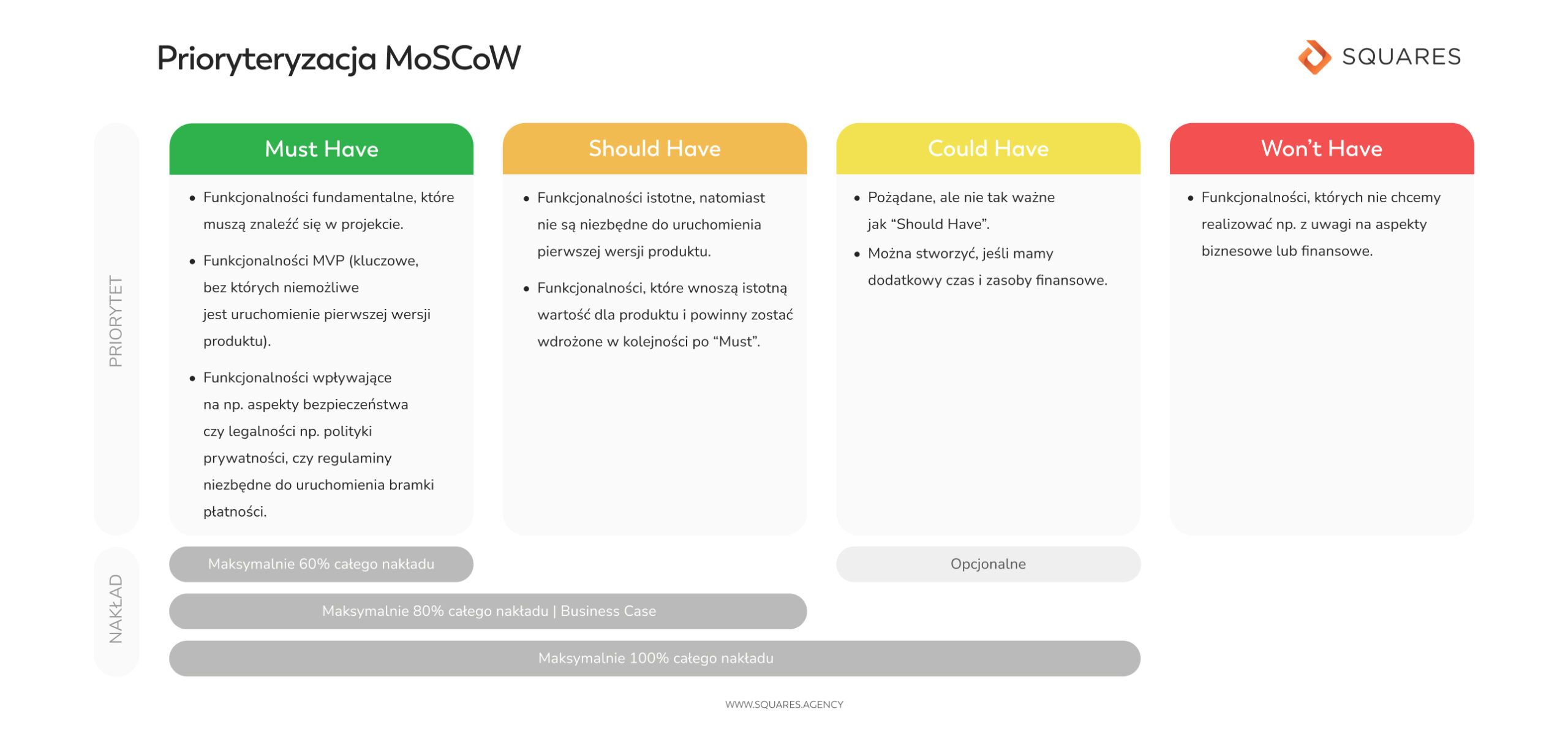
Acronym,MoSCoW, means 4 different categories of initiatives:Must Have,Should be,Could beand andWon’t be.
M – Must Have
As the name suggests, this category consists of initiatives that are „must-haves” for your team. They represent non-negotiable needs for a project, product or release. For example, if you’re releasing a healthcare app, security features that help with compliance may be a necessary initiative.
Anything in the „must have” category is considered must-have for the team. If you’re not sure whether something falls into this category, ask yourself the following questions.
- What happens if we spend without it?
- Is there a workaround or simpler way to achieve this?
- Will the release/project/product work without this initiative?
- If the product won’t work without the initiative or the release becomes useless without it, the initiative is most likely „must-have”.
S – Should be
Must-have initiatives are just a step below must-have initiatives. Areimportantfor a product, project or release,but they are not necessary.If omitted, the product or design still works. However, if included, they add significant value.
Initiatives „„Should be”are different from initiatives„must have”, Becausethey can be scheduled for a future application release without affecting the current one.For example, performance improvements, minor bug fixes, or new functionality may be initiatives that should be had. Without them, the product still works.
C – Could be
Could bethese are requirements that are not critical or very important. They were often perceived as things that would be nice if they appeared, but if they didn’t, they wouldn’t have a major impact on the project.
W – Won’t be (It won’t be this time)
Won’t be are initiatives that we do not want to implement in the next release, but may be implemented in the indefinite future.
Sources:
https://www.productplan.com/glossary/moscow-prioritization/
https://www.kecg.co/blog/2018/7/22/task-prioritisation-hack-using-moscow-method