Biostructures Earthships – self-sufficient houses in the middle of the desert
an approach to designing sustainable homes that prioritizes the use of natural and recycled materials, passive solar energy, water harvesting and renewable energy sources.
Earthship is an approach to designing sustainable homes that prioritizes the use of natural and recycled materials, passive solar energy, water harvesting and renewable energy sources.
The concept was created by an architectMichael Reynoldsin the 1970s as a response to the environmental impact of traditional homes and as a desire for a more self-sufficient lifestyle. The first Earthship community was built in Taos, New Mexico, where homes are made of natural and recycled materials and their utilities are self-sustaining and use renewable sources.
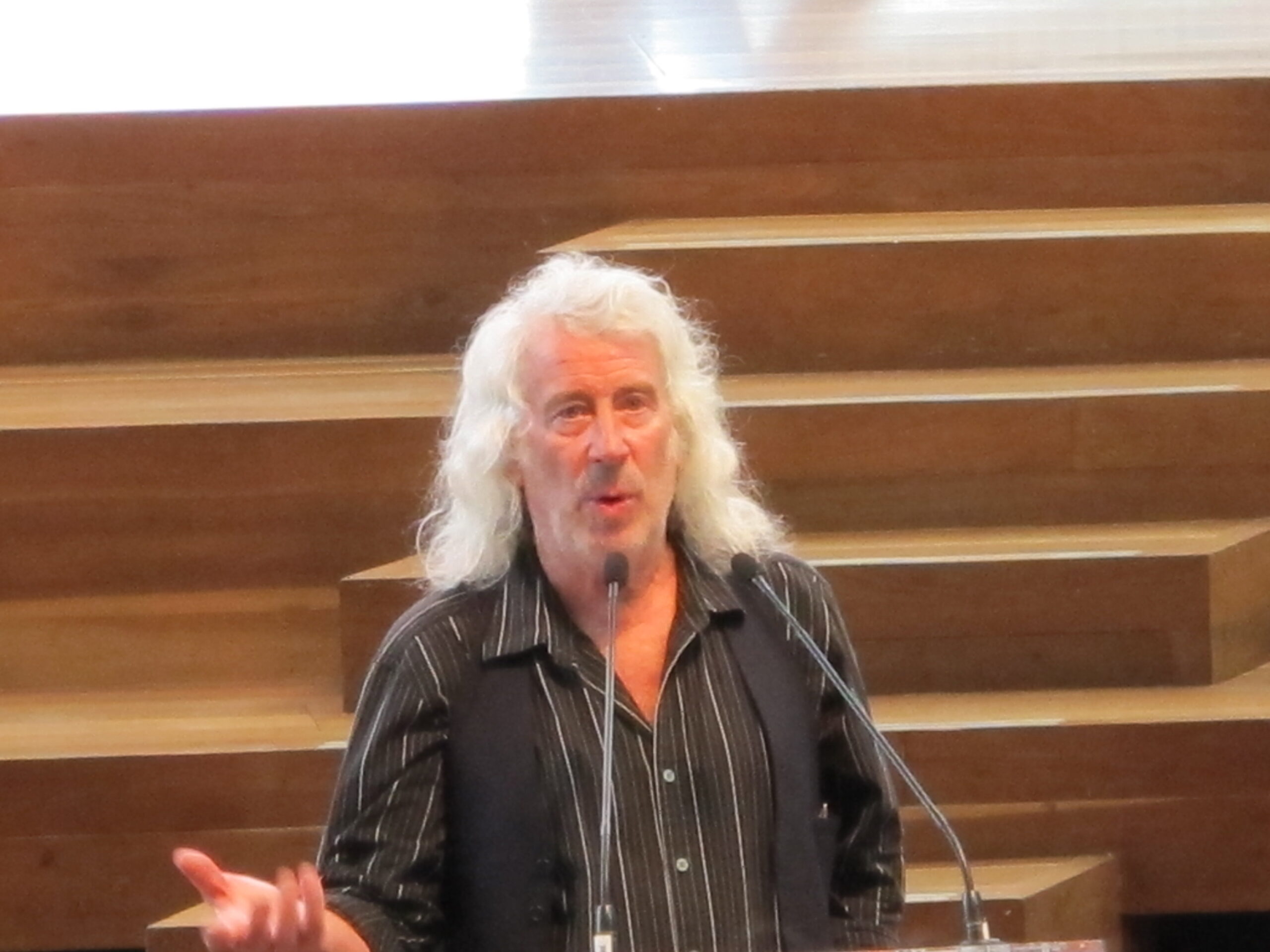
Reynolds’ goal was to create a concept of apartments that werecheap,balancedandaccessible to a wide range of people.Earthship homes are constructed using a variety of unusual techniques, including tire foundations, bottle walls, and earthbag construction. While designing an Earthship biostructure has many advantages, there are also challenges and constraints to consider, such as building codes, weather and climate conditions, and maintenance and upkeep.
Principles of biostructure design
Earthship biostructure design is based on a set of principles that prioritize usenaturalandrecycled materials,passive solar energy, water harvesting and renewable energy sources. These principles guide every aspect of the design process, from the orientation and position of windows to the materials used for walls, floors and roofs.
Biophilic design
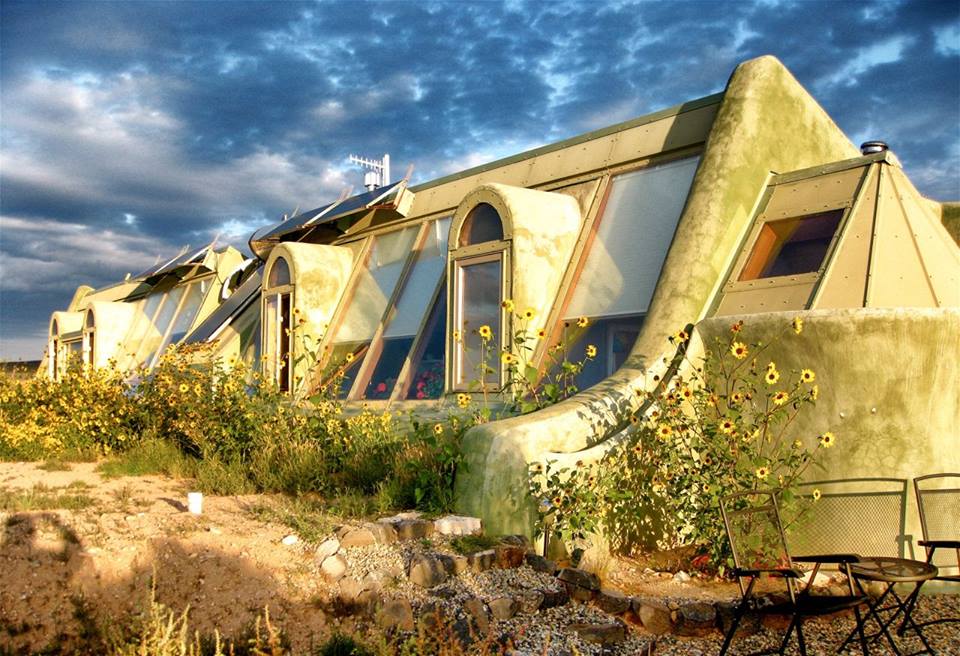
Biophilic design is a key design principle of Earthship’s biostructure. This principle isincorporating natural elements into the building designto create a connection between man and nature. Examples of biophilic design in Earthship includeuse of plants, greenery and natural lightand incorporating natural materials such as wood and stone into the design.
Passive solar heating and cooling
Another key design principle of Earthship’s biostructure is passive solar heating and cooling. This principle involves using solar energy to heat and cool the interior of a building, reducing the need for artificial heating and cooling systems. Examples of passive solar heating and cooling techniques used at Earthship include the use of south-facing windows to capture the sun’s rays, thermal mass to absorb and store heat, and natural ventilation to cool the building’s interior.
Collecting water
Water harvesting is another important design principle of Earthship’s biostructure. This principle involves collecting and storing rainwater for use within the building, reducing the need for water from municipal sources. Examples of water collection techniques used at Earthship include the use of water collection systems, tankers and gray water systems.
Renewable energy sources
Renewable energy sources are another key design principle of the Earthship biostructure. This principle involves the use of energy sources that are replenished, such as solar energy, wind energy and geothermal energy. Examples of renewable energy sources used in Earthship include solar panels, wind turbines, and geothermal heating and cooling systems.
Construction techniques
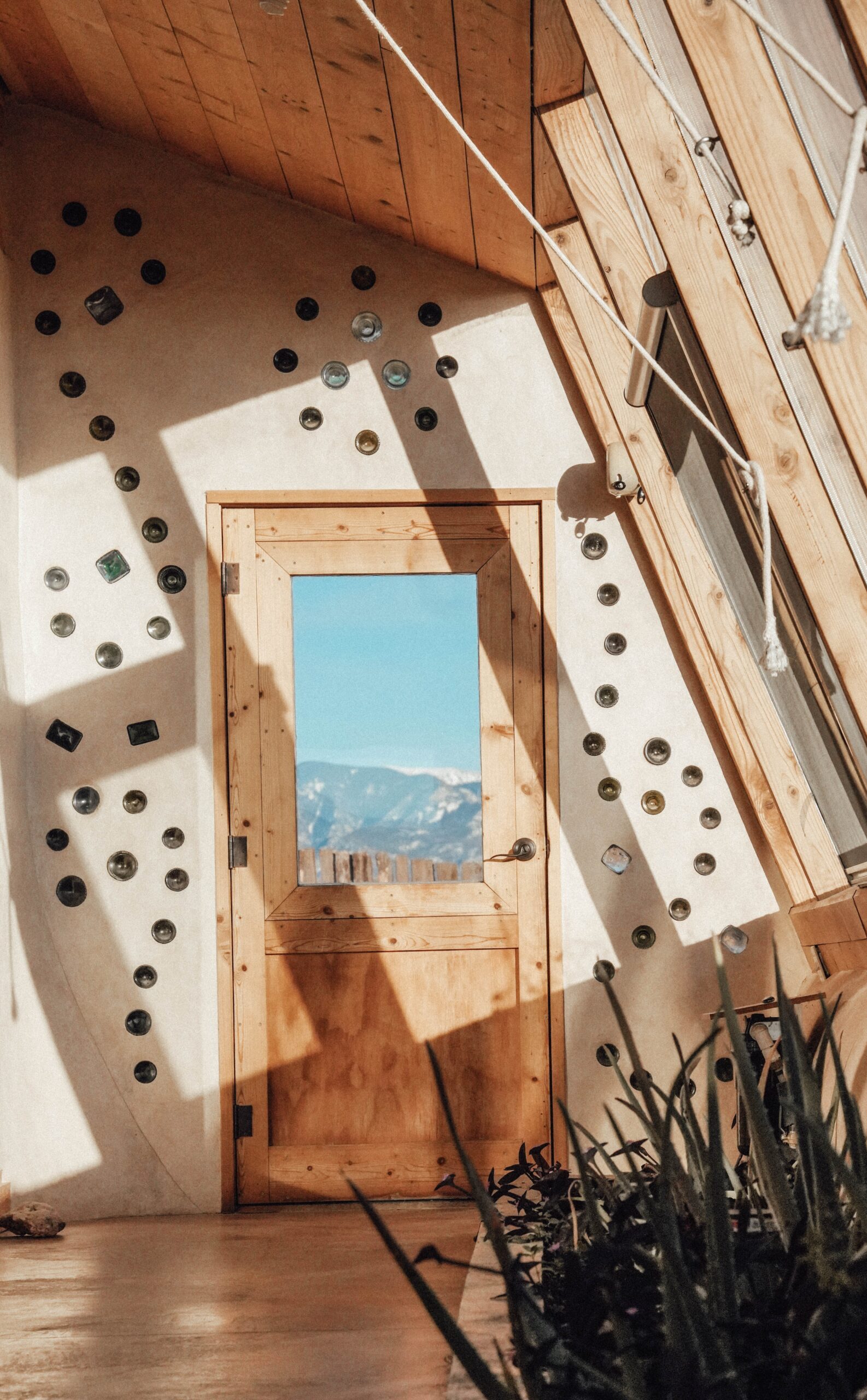
Earthship homes are constructed using a number of innovative techniques, including earthen tire walls, bottle walls and earthbag construction. These techniques are designed to be simple, cheap, and accessible to a wide range of builders and homeowners.
Walls made of earth tires
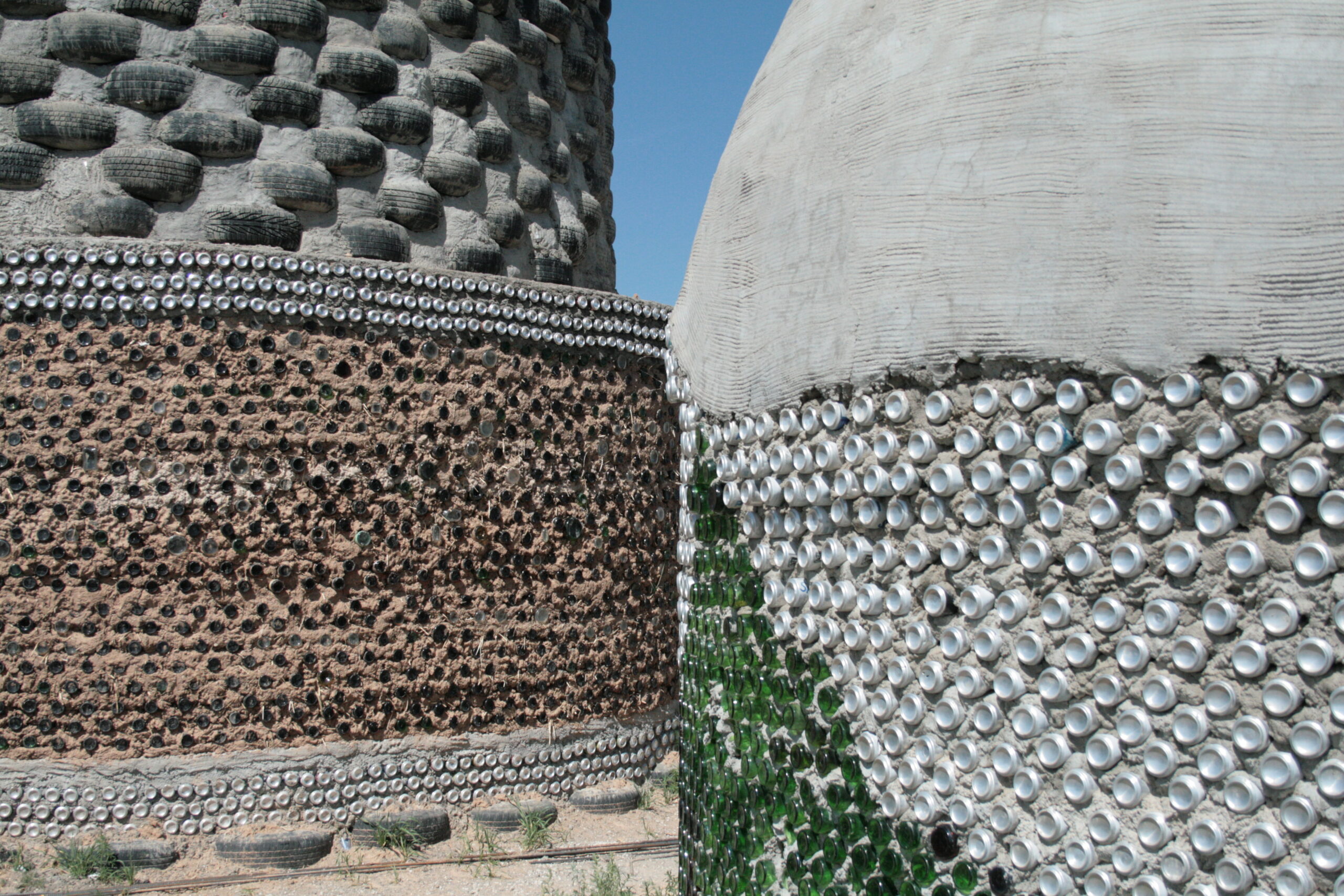
Earthen tire walls are a distinctive feature of Earthship homes. These walls are made by filling used tires with dirt and compressing them to create a strong and durable building material. Earthen tire walls are an excellent thermal mass, absorbing and storing heat during the day and releasing it at night to keep the interior of the building warm.
Walls made of bottles
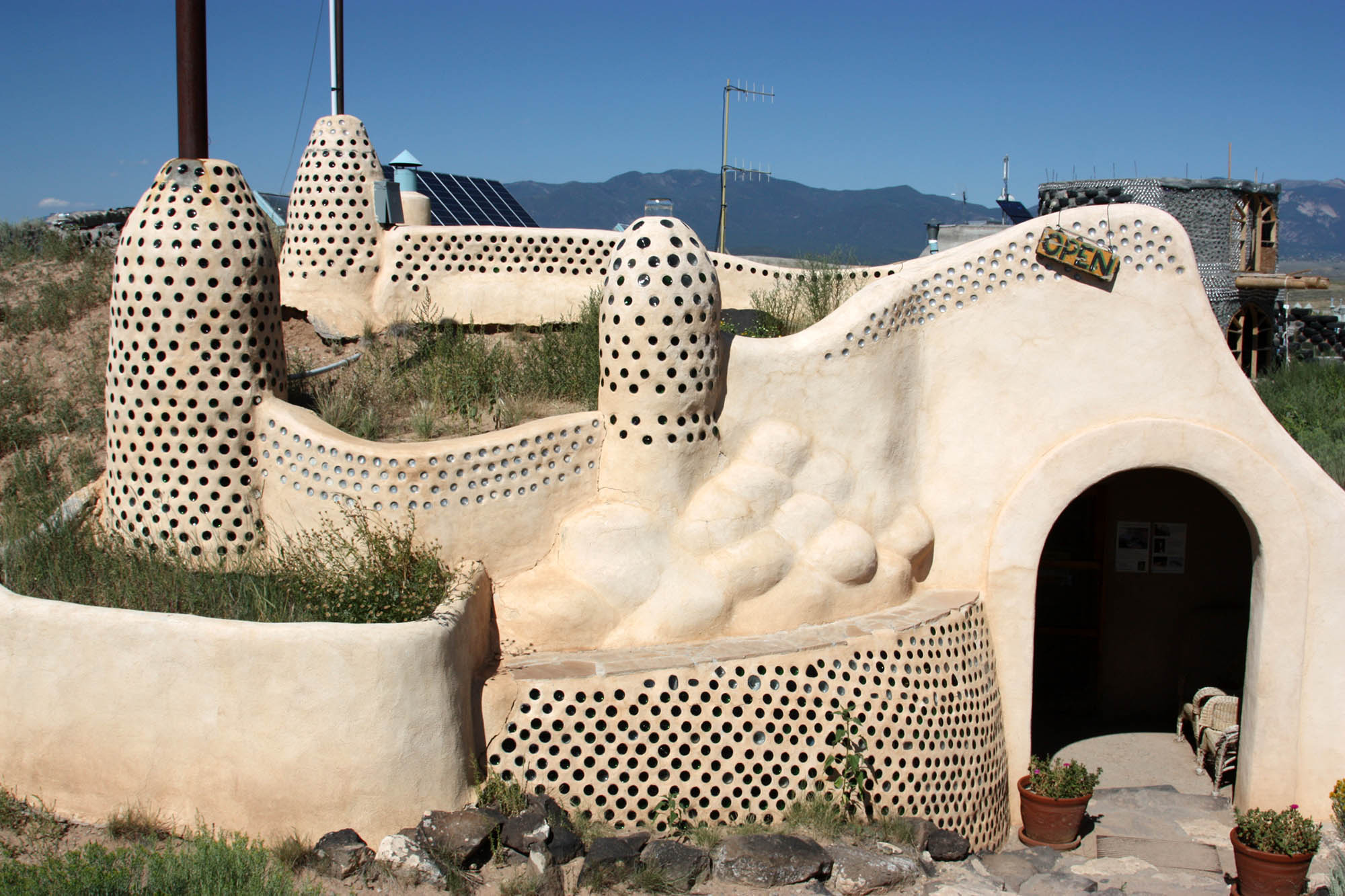
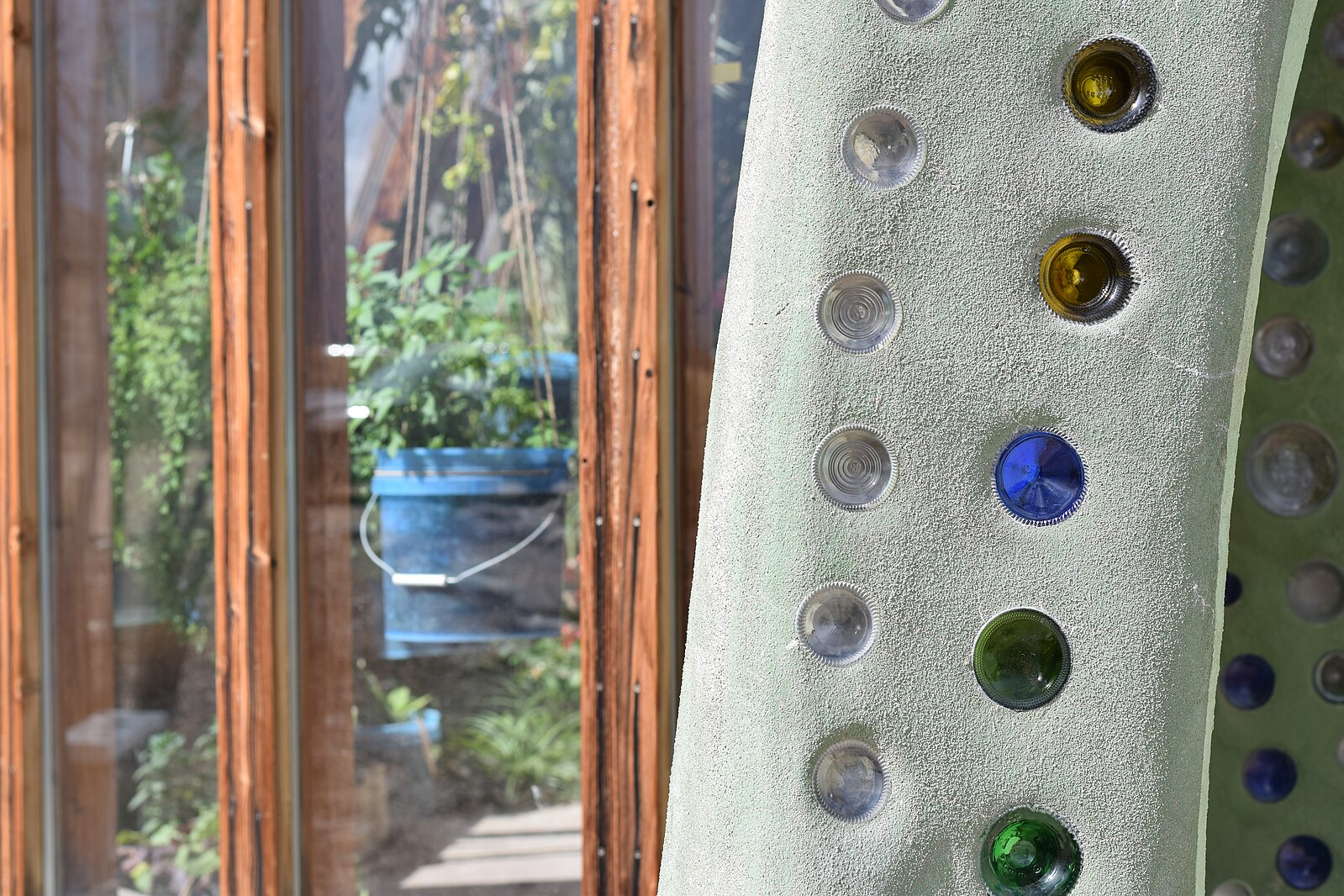
Bottle walls are another innovative construction technique used at Earthship. These walls are created by filling glass bottles with sand or dirt and then using them as bricks to build the walls. Bottle walls allow natural light to enter the building and create a unique and visually attractive design element.
Earthbag construction
Earthbag construction involves using bags filled with earth to build walls. This technique is simple and cheap, allowing it to be used by a wide range of builders and home owners. Earthbag construction also provides excellent insulation, helping to keep the building warm in the winter and cool in the summer.
Case Studies
There are many successful examples of Earthship biostructure design and construction around the world. One example is the Earthship community in Taos, New Mexico, where the first Earthship homes were built. Other examples include the Earthship Biotecture headquarters in New Mexico and the Earthship community in Brighton, UK.
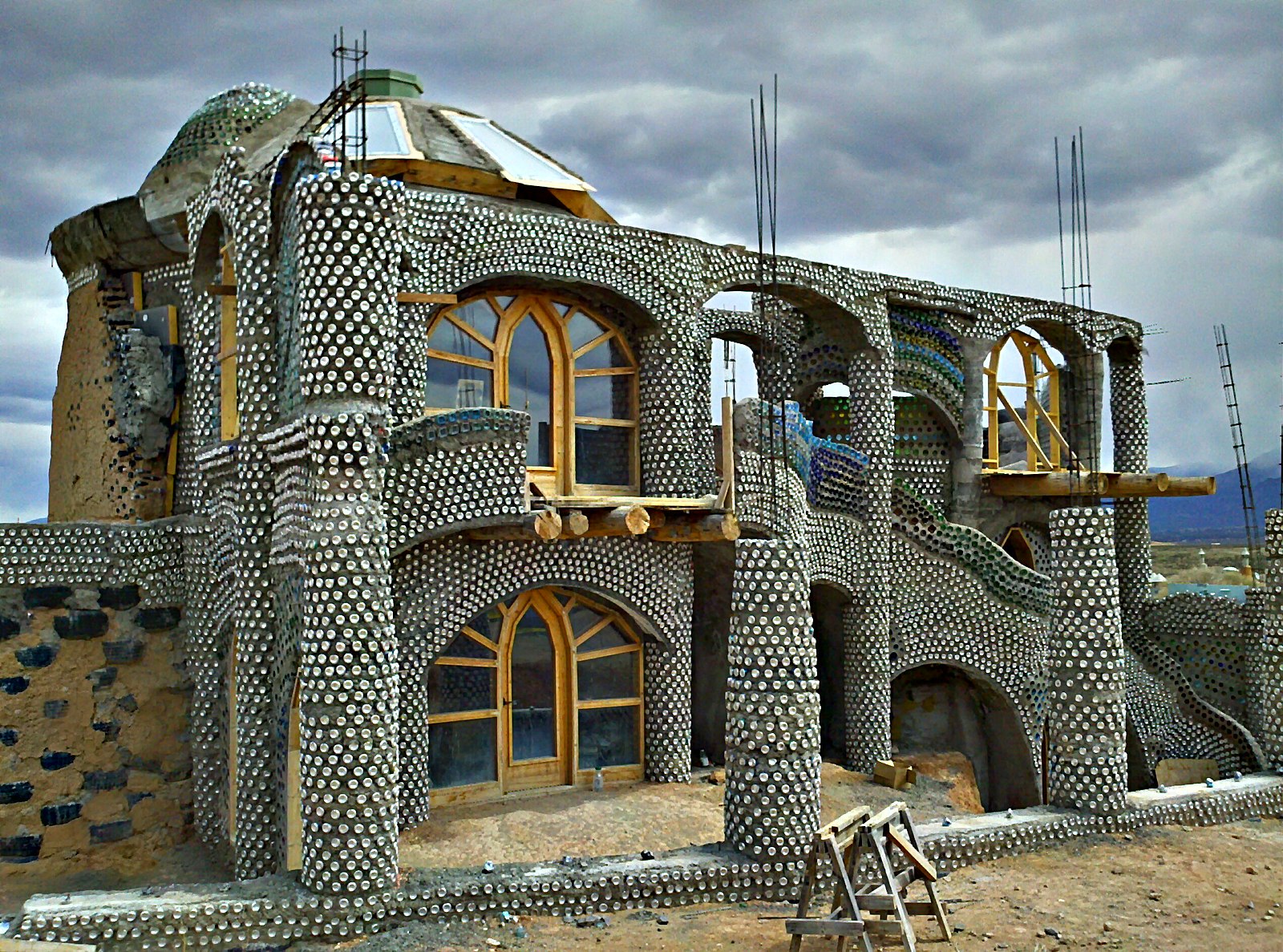
Earthship Community in Taos, New Mexico
The Earthship community in Taos, New Mexico, is the birthplace of the Earthship movement. Here, houses are built using many innovative techniques, including earthen tire walls, bottle walls and earthbag structures. The community is completely energy independent, relying on renewable sources such as solar energy and wind turbines to produce electricity. Water is collected and stored in cisterns, and gray water is purified and reused for irrigation.
Earthship Biotecture headquarters
The Earthship Biotecture headquarters in New Mexico is an example of Earthship biostructure design. This building has earthen tire walls, bottle walls and natural materials such as wood and stone are widely used. The building is completely energy independent, relying on solar panels and wind turbines to produce electricity. Water is collected and stored in cisterns, and gray water is purified and reused for irrigation.
Earthship community in Brighton, UK
The Earthship community in Brighton, UK is a unique example of Earthship biostructure design adapted to local climate conditions and building regulations. Here, homes are built using earthen tire walls and other techniques, and the community is completely energy independent, relying on renewable sources such as solar power and wind turbines to produce electricity.
Challenges and limitations
Although Earthship biostructure design has many advantages, there are also challenges and limitations to consider. These include building codes and regulations, weather and climate conditions, and maintenance and upkeep.
Building codes and regulations
Building codes and codes can pose challenges for Earthship biostructure design because many of the techniques used in Earthship construction are not recognized by local building codes. This may make it difficult to obtain permits and approvals for Earthship construction projects.
Weather and climatic conditions
The design of the Earthship biostructure is very dependent on local weather and climate conditions. In areas with extreme temperatures or weather conditions, such as hurricanes or tornadoes, it may be impossible to build an Earthship.
Maintenance and upkeep
Earthship homes require regular maintenance and upkeep to ensure their continued functionality. This may include tasks such as monitoring water levels in tankers, inspecting and repairing solar panels, and maintaining gray water systems.
The future of Earthship biostructure design
The future of Earthship biostructure design is bright with continued innovations in materials, technology and design. Some of the most promising areas of development include the use of 3D printing technology, the development of new sustainable building materials, and the integration of smart home technologies.
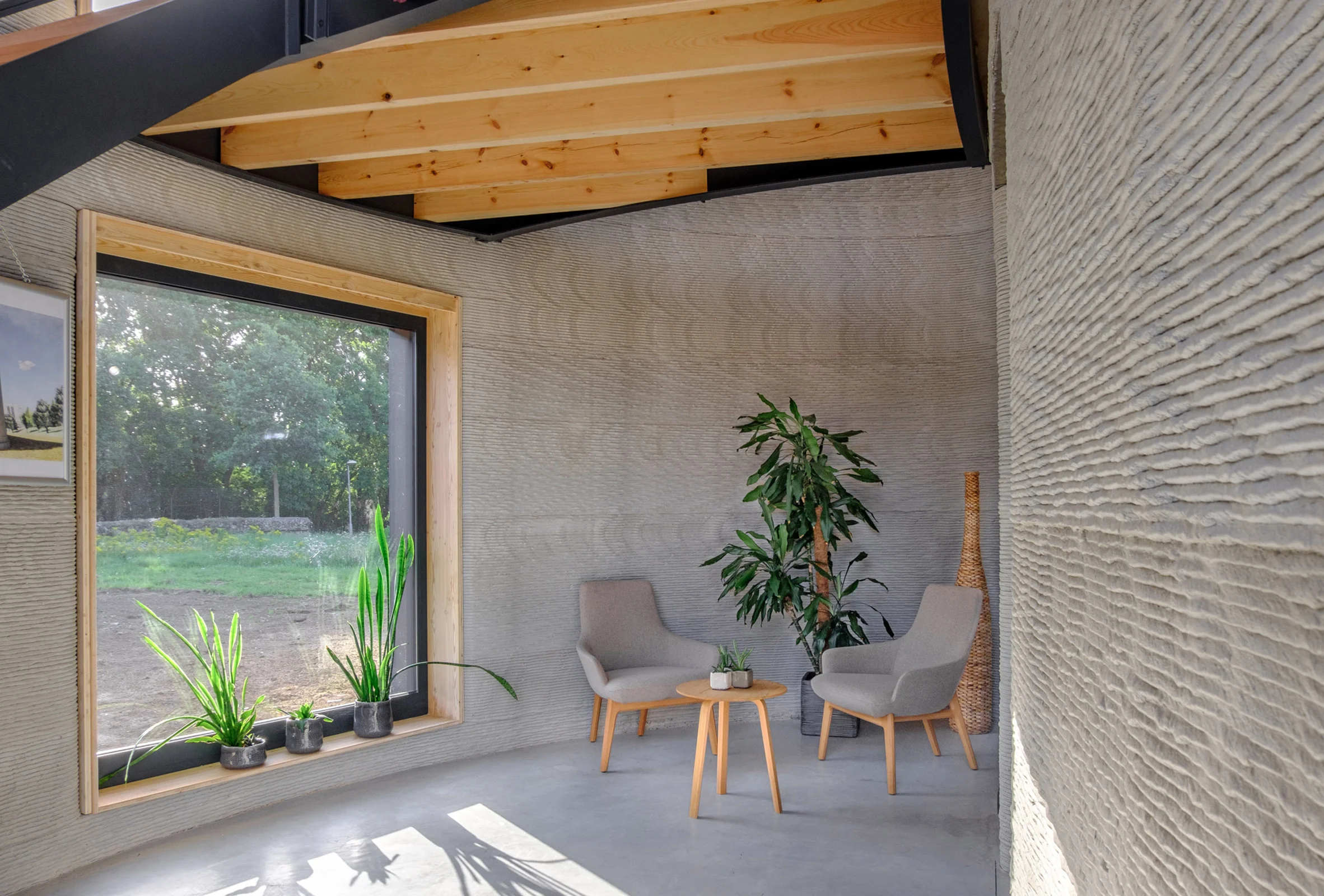
3D printing technology
3D printing technology has the potential to revolutionize Earthship construction, allowing complex shapes and designs to be created using natural materials. This technology could also make Earthship construction faster and more affordable.
Sustainable building materials
The development of new, sustainable building materials is an area of ongoing research and development in the field of Earthship biostructure design. Materials such as mycelium, a type of mushroom, and calcium hemp, a mixture of hemp fibers and lime, have shown promise as building materials.
Smart home technology
Integrating smart home technology into Earthship design can enable greater control and optimization of energy use and water management. Smart home technology can also make it easier to monitor and maintain Earthship systems, reducing the time and effort required for maintenance.
Summary
Earthship Biostructure Design offers an innovative and sustainable approach to home design for designers. By integrating biophilic design principles, passive solar heating and cooling, water harvesting and renewable energy sources, Earthship homes provide a more self-sufficient living experience while reducing environmental impact. With continuous innovations in materials, technology and design, the future of Earthship biostructure design is bright.
https://www.youtube.com/watch?v=wgUkjbMhF18&ab_channel=OfftheCuff
Earthsip biotecture: https://www.earthshipglobal.com/