9 items – Design Patterns – Popular Libraries worth knowing
Design patterns are a set of repeatable patterns used when designing interfaces.

Design patterns(UI Patterns) are, very simply, descriptions of user interface design practices and repeatable patterns. In other words, they are solutions to common problems in the world of digital product design. Design patterns are used in various design problems, so it is important to apply them in the context of a given project. Thanks to them, we can avoid many pitfalls and make our designs more intuitive, useful and user-friendly. Below I present a collection of interesting libraries and rules
Design PatternsUI Patterns
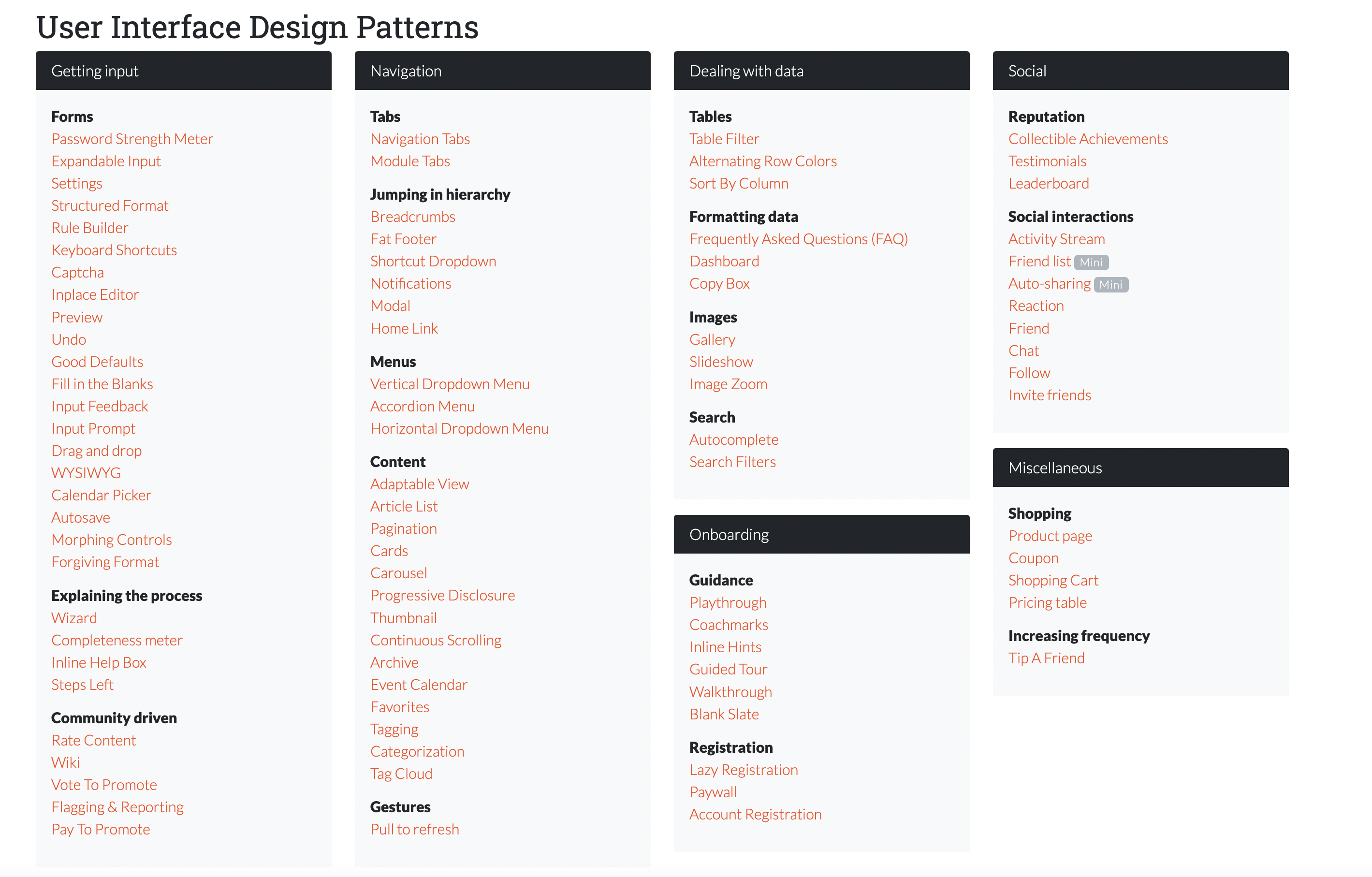
UI Patternsis a rich source of user interface design patterns that offers not only visual but also psychological solutions, such as gamification. It is a treasure trove of knowledge for anyone who wants to design digital products at the highest level.
Welie Design Patterns
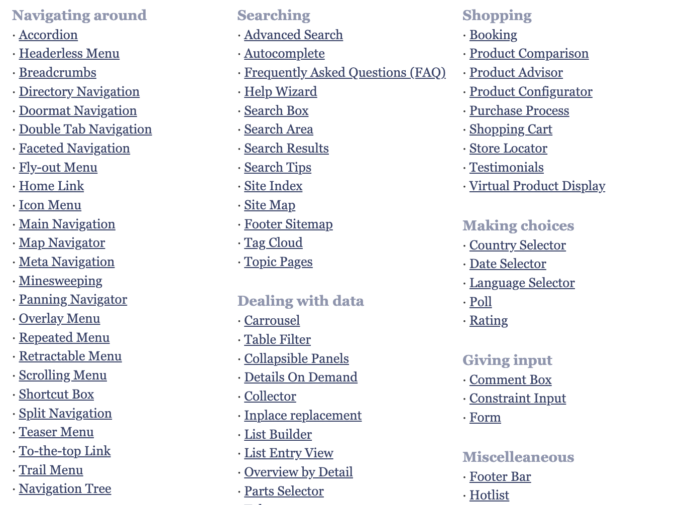
Welieit’s a slightly old-school project, but it hides a lot of valuable information. It focuses on a variety of functionalities, offering descriptions of design problems along with explanations of proposed solutions and advice on how to apply them. Despite its archaic form, it is a valuable source of knowledge.
UX Design Patterns Archive
UX Archiveis a collector of various UI Patterns, from pricing tables to error messages and email templates. This is a perfect place for those who are looking for inspiration or specific solutions to specific design problems.
Good UI Design Patterns
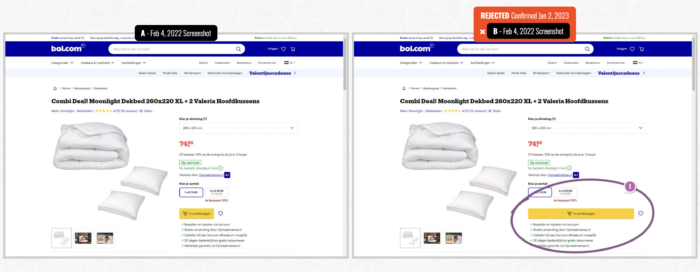
Good UIis a collection of UI patterns with experiments from companies such as Amazon, Netflix, Airbnb, Etsy, Google and Booking.com. This is a great source for people interested not only in the patterns themselves, but also in their impact on conversion and user engagement.
Adele Design Patterns Database

Adeleis a collection of the most significant and noteworthy design systems, divided into categories such as library type, UI kits and brand guidelines. It’s a place where you can find inspiration and patterns for almost every aspect of digital design.
Mobbin
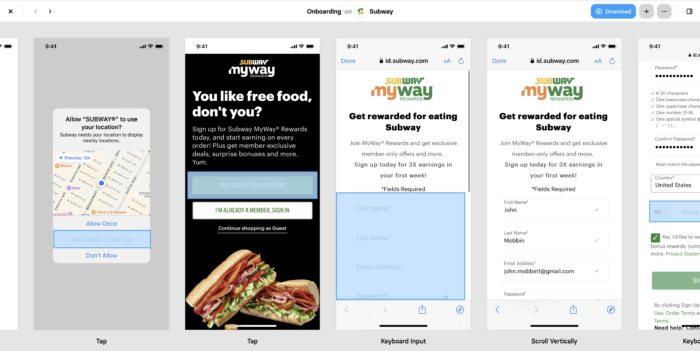
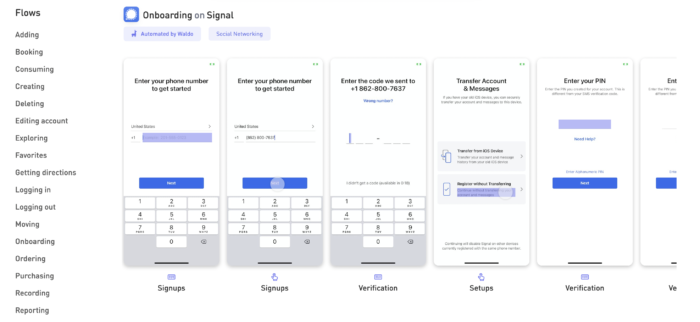
Mobbinpresents thousands of screens, presenting patterns such as login, registration and onboarding, as well as entire user flows. It is an excellent tool for analyzing and drawing inspiration from industry best practices.
Wireframes to Go
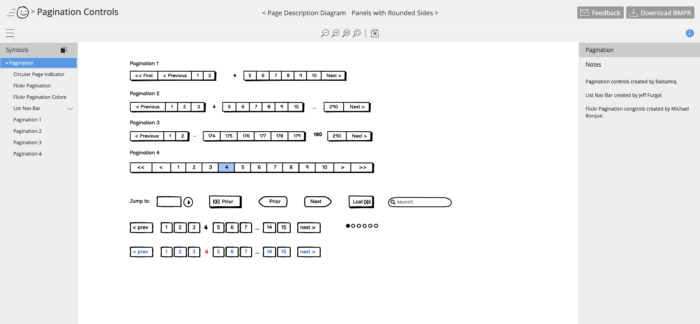
Wireframes to Gois a project containing mainly ready-made elements for creationwireframes, but also various patterns, such as price tables, search engines or scroll bars. This is useful for those looking for quick and effective solutions for prototyping their designs.
Dark Patterns
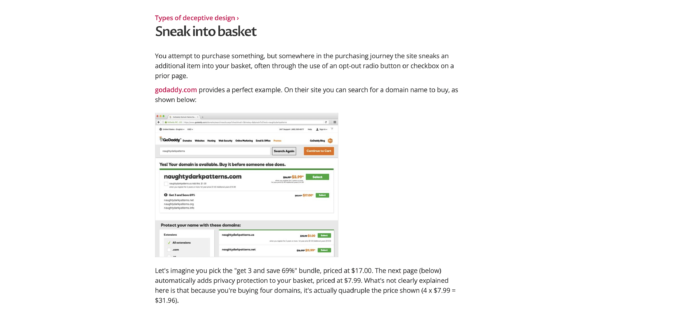
Dark Patternsit’s a special categorydesign patterns, which, however, deserves attention for a completely different reason. These are design techniques that are intended to mislead the user or force him to take unwanted actions, such as purchasing an additional service or creating an account. Although effective, their use is controversial and can lead to negative consequences for both users and the brand.
Design Patterns for Mental Health
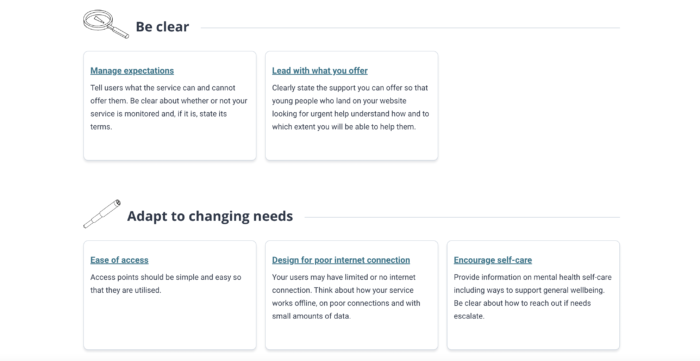
Design Patterns for Mental Healthis a collection of best practices and guides that are particularly useful in the design of mental health products and services. However, these principles can be applied to a wide range of projects, aiming to keep users safe and offer them multiple ways to interact.
The goals of the patterns include, among others: ensuring user safety or providing them with multiple ways to interact.
All of these resources and design pattern libraries are invaluable tools for anyone involved in UI/UX design. They allow not only to quickly find proven solutions, but also to understand the deeper principles and mechanisms governing good design. Using these patterns in practice can significantly improve the quality of created products, as well as facilitate and speed up the design process.
However, remember that each project is different and requires an individual approach. Design patterns offer a solid foundation, but it’s up to designers to adapt them to the specific needs and expectations of users. Therefore, I encourage you to explore the resources presented, experiment with different solutions and constantly improve your design skills. After all, the best designs are those that not only look good, but also offer memorable user experiences.